White Composite Fillings
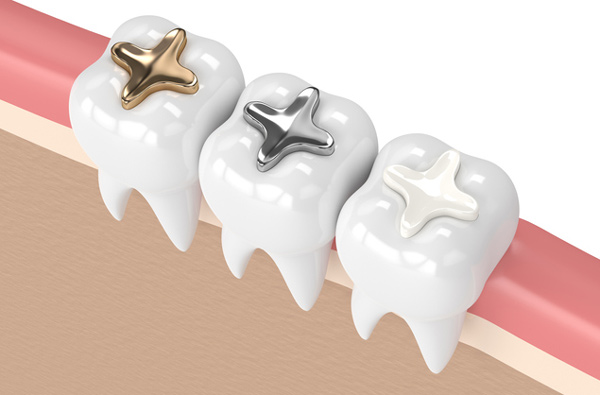 Dental fillings are used to "fill" dental caries or cavities. Cavities are small holes in the teeth formed by dental decay. Dentists extract the decayed pieces of the tooth, and the hole is filled with a filling material. Harmful germs in the mouth lead to tooth decay. Cavities form when bacteria produce acids or toxins that destroy tooth enamel. Adverse tooth decay causes extensive damage to the tooth and can result in significant infections and eventually tooth loss. Cavities can be avoided by brushing two times a day and flossing daily. Contact Jacobsen Pediatric Dentistry to schedule an appointment and learn more about dental fillings. Dental fillings are used to "fill" dental caries or cavities. Cavities are small holes in the teeth formed by dental decay. Dentists extract the decayed pieces of the tooth, and the hole is filled with a filling material. Harmful germs in the mouth lead to tooth decay. Cavities form when bacteria produce acids or toxins that destroy tooth enamel. Adverse tooth decay causes extensive damage to the tooth and can result in significant infections and eventually tooth loss. Cavities can be avoided by brushing two times a day and flossing daily. Contact Jacobsen Pediatric Dentistry to schedule an appointment and learn more about dental fillings.
Filling Material Types
Your dentist will recommend the best filling type for you depending on the damaged region, the degree of the decay, the cost of filling materials, and your insurance coverage.
White Composite Fillings for Children
White composite fillings, also known as tooth-colored fillings, are often used for children for several reasons:
Aesthetic Appeal
Composite fillings match the natural color of teeth, making them virtually invisible. This is particularly important for fillings in visible areas, helping children maintain a natural-looking smile.
Safety and Comfort
Composite materials bond well to the natural tooth structure, providing strong support and reducing the risk of tooth fracture. This can be beneficial for active children who might be prone to dental injuries.
Less Invasive
The bonding process allows for more conservative treatment, meaning less removal of healthy tooth structure compared to amalgam (silver) fillings. This is beneficial for preserving as much of the natural tooth as possible.
No Mercury Content
Unlike amalgam fillings, composite fillings do not contain mercury. Some parents and healthcare providers prefer composites due to concerns about the potential health effects of mercury exposure.
Reduced Sensitivity
Composite fillings tend to cause less post-treatment sensitivity compared to other types of fillings, making them more comfortable for children.
Versatility and Practicality
Composite materials can be used for various types of dental restorations, including cavities, chips, and minor cosmetic adjustments, making them a versatile option for pediatric dental care.
Easy Repairs
If a composite filling becomes damaged or needs adjustment, it can often be repaired rather than replaced entirely, which can be more convenient and less stressful for children.
Considerations
While composite fillings have many advantages, they may not be suitable for all situations. For example, in cases where a large filling is needed in a high-stress area (like a molar), other materials might be more appropriate. However, for many typical pediatric dental issues, white composite fillings offer a combination of aesthetic, functional, and health benefits that make them an excellent choice.
Procedure for Dental Fillings
The dentist will use an anesthetic to numb the affected area around your tooth before beginning the filling treatment. The dentist will then eliminate the decayed piece of the tooth using a drill, laser, or air abrasion equipment. If there are any leftover decaying parts of the tooth, the dentist will remove them. Dirt and germs will be removed from the cavity. The dentist will place a liner to protect the nerves if the decay gets into the root. Lastly, the dentist will place a filling in the cavity and polish it.
Tooth-colored fillings require a few further actions after decay removal and cleaning of the cavity. The dentist will cure each layer of tooth-colored materials using a special light, then cut off excess material and polish the filling after the multi-layering procedure to get the desired result.
If your child needs a dental filling, visit Jacobsen Pediatric Dentistry. Call us today at (971) 459-2431 for more information on white composite fillings.
FAQs
What are white composite fillings for children?
White composite fillings are tooth-colored restorations used to repair cavities or minor tooth damage in children. At Jacobsen Pediatric Dentistry, our dental team may recommend composite fillings because they can blend with the natural tooth while helping restore strength and function.
When might my child need a white filling?
Your child may need a white filling if they have a cavity, small chip, worn area, or minor tooth damage that should be repaired. Our dentists will examine the tooth and recommend a filling when it can help stop decay, restore the tooth, and protect your child’s oral health.
Why is it important to treat cavities in baby teeth?
Baby teeth help children chew, speak clearly, and hold space for permanent teeth. Treating cavities in baby teeth can help prevent pain, infection, early tooth loss, and problems that may affect the development or position of adult teeth.
What happens during a child’s composite filling appointment?
During a composite filling appointment, our dental team gently removes the decayed or damaged part of the tooth, places tooth-colored filling material, and shapes it for a comfortable bite. The filling is hardened in place so the tooth can function properly again.
How can I help my child care for a white filling?
You can help your child care for a white filling by encouraging daily brushing with fluoride toothpaste, helping with flossing, limiting sugary snacks and drinks, and keeping routine dental visits at Jacobsen Pediatric Dentistry. Good home care helps protect both the filling and the surrounding tooth structure. |